

Structured Handwriting Improvement for Kids, Students and Adults
Ghasani Handwriting Classes
Learner-focused handwriting classes for kids, students, college learners and adults in Ghasani.
HandwritingClasses.in provides personalized handwriting support for children, school students, teenagers, college learners and adults in Ghasani, Himachal Pradesh. Training can improve letter formation, spacing, alignment, cursive writing, practical writing speed and exam-answer presentation.
Share a current writing sample to begin. Our team reviews the learner’s needs and recommends a suitable live, trainer-guided program in Ghasani.
Share a writing sample to begin. Our team confirms local session options, trainer availability and the suitable schedule before enrolment. Every program uses live, personalized guidance rather than pre-recorded lessons.
Our experienced trainers have created a simple comparison checklist for our handwriting programs. Compare the training focus, trainer guidance and course format. This will help you choose the program that best matches your handwriting goals.
Included Limited Not included
30+ Years of Training.
2,00,000 Learners Supported.
15 World Records.
80+ Books & Tools.
Writing-Sample Assessment and Program Guidance
Our team will understand the writing needs. We will discuss the learner’s goals and suggest the next step.
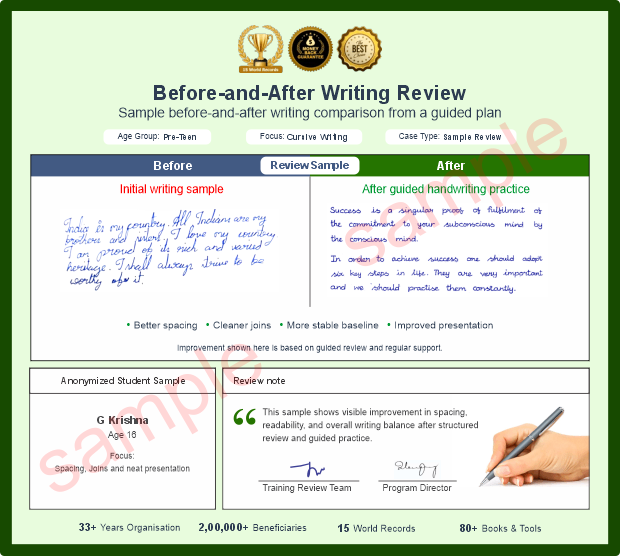
Our trainer first reviews the learner’s current writing in Ghasani. The trainer then selects priorities such as letter formation, spacing, alignment, cursive writing, practical speed and page presentation. Guided practice and regular feedback help the learner build consistent habits.
A current writing sample helps the trainer understand where the learner needs support. The review may consider clarity, consistency, joining and page presentation. This makes the recommended program better matched to the actual need.
Clear handwriting starts with consistent alphabet formation. Learners in Ghasani practise shape, height and repeated letter patterns. They build clear and repeatable writing habits.
Uneven spacing, changing letter size and drifting lines can make otherwise correct writing difficult to read. The program uses targeted practice to improve word spacing, letter proportion and line alignment. Learners practise these skills in short tasks and regular writing.
Grip, sitting posture and pressure on the page can affect how steadily a learner writes. Trainers can review these basics and suggest age-appropriate corrections. We do not force every learner into one rigid style. Instead, we build better control for the individual learner.
Cursive training can cover lowercase and uppercase forms, connections and word flow. Learners practise consistent connections that suit their writing level. The aim is greater confidence in joined writing.
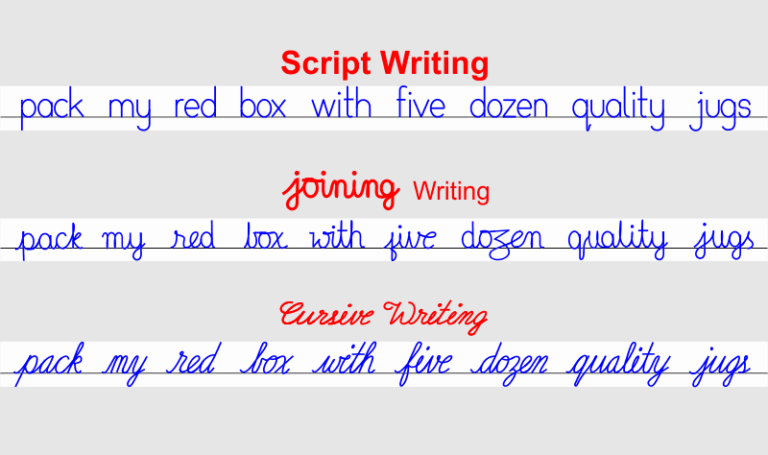
Some learners need support with printed script, some with fully joined cursive, and others with a practical joining style. Training in Ghasani can compare these approaches and focus on the clearest option for school or everyday writing. Practice builds better flow, spacing and readability.
We first identify the main clarity issues. Learners then practise efficient letter movement, spacing and word flow. The goal is to reduce pauses and repeated corrections.
Exam writing support can focus on the visual organization of short and long responses. Students in Ghasani also practise maintaining clarity under time limits. Better presentation supports the reader without replacing subject knowledge or preparation.
Many students begin neatly but lose clarity during longer answers. They practise writing pace, paragraph control and short review points. This helps them keep a stable style from the first page to the last.
Scrawled writing often appears when the learner rushes, changes style or loses line control. The program identifies the main trigger and uses short correction drills. Learners work on consistent formation, spacing and pace.
Learners in Ghasani can begin with a writing sample review or demo. Our team confirms the suitable program, trainer availability and schedule before enrolment. Our team recommends a program based on the learner’s current writing needs, not a generic pre-recorded course.
One-to-one guidance helps learners with writing habits that need close attention. The trainer focuses on the most important corrections first. Feedback shows the learner what to change and how to practise it in daily writing.
Practice is more useful when it reflects the learner’s actual writing issues. Customized sheets may focus on particular letters, joins, spacing or slant. Regular feedback helps the learner understand which habits are improving.
Young learners benefit from short, engaging and age-appropriate activities. Training can cover the early skills needed for clearer school writing. The emphasis is on patient correction and repeatable habits.
School students may need help with notebook neatness, homework, classwork or examination writing. The program connects handwriting practice to real written work rather than isolated drills alone. Students work towards clearer, more consistent and manageable writing.
Teenagers often need a writing style that is comfortable during longer academic tasks. Training can improve the balance between personal style and clear writing. Learners build better control during academic work.
College learners use handwriting for long answers, diagrams, forms and practical documentation. Support can focus on a mature writing style that remains clear. Practice aims to make writing easier to review and present.
Adults may want clearer handwriting for situations where clear and consistent writing matters. Training keeps the learner’s natural style while improving the habits shown in the writing sample. The goal is practical, natural and easy-to-read writing.
Parents can help by following a short and regular practice routine. Guidance may cover how to send useful follow-up samples. This keeps home practice focused and manageable.
Class 12 students often need to write long answers, calculations, diagrams and explanations within fixed time limits. Practice can focus on clear writing during full-length papers. The aim is better control under realistic exam conditions.
Class 11 introduces academic work that requires both speed and organization. Students can practise writing flow, spacing and presentation for longer responses. Training supports clearer work without unnecessary slowing.
Class 10 handwriting support can combine board-exam presentation, writing pace and clear writing. Students learn to use a practical style for text, points and diagrams. The focus is habits that support regular exam practice.
Class 9 students handle longer answers, detailed notes and timed written work. Practice improves word flow, line alignment, paragraph spacing and pace. Students build a stable style for growing academic needs.
Class 8 learners work on the move from basic handwriting to mature academic writing. Practice may include focused correction of repeated letter patterns. The goal is clearer, smoother and more dependable school writing.
Class 7 students often need to balance joined writing, word spacing and line alignment. Training can address uneven joins, crowded words, changing slant or slow writing flow. Regular practice supports clearer and more fluent written work.
Class 6 is a useful stage for improving the move from short tasks to longer answers. Students practise corrections based on their current writing. They build a clear style for notebooks and tests.
Class 5 learners can strengthen the basic habits needed for neat notebooks and tests. Practice combines correction of the patterns visible in current schoolwork. The learner works towards greater consistency across subjects.
Class 4 students may need support with writing that looks different from one line to the next. Exercises use age-appropriate written tasks with feedback. The purpose is stronger habits before writing volume increases.
Class 3 is an important stage for moving from individual letters to clearer written work across subjects. Training can focus on the patterns that make the learner slow or untidy. The goal is confidence with regular written tasks.
Class 2 learners continue building control of uppercase, lowercase and simple sentence writing. Activities can correct crowded words, drifting lines or uncertain strokes. Short, regular practice supports habits that are easier to maintain.
Class 1 training introduces the core habits needed for words and short sentences. Sessions keep activities short, visual and age-appropriate. This practice helps the child form recognizable letters with better control.
LKG and UKG learners begin with pre-writing strokes, visual direction and simple shapes. The trainer matches the pace to the child’s hand control and confidence. These activities help children begin writing with comfort and confidence.
Parents, students and adults in Ghasani looking for handwriting classes near me can contact the HandwritingClasses.in team. The review shows which skills need attention and which program may fit. You can then understand the program before making a payment decision.
Kids, school students, college learners and adults in Ghasani can begin with a writing sample review. The recommended program depends on the learner’s age, current writing and main improvement goal.
The trainer reviews the writing sample and selects the most useful priorities. Sessions may cover letter formation, spacing, alignment, cursive joins, readable speed and page presentation.
We first review the learner’s age, class level, writing sample, main difficulties and goals. Our team then explains the program that best matches those needs.
Share a current writing sample or request a demo session. We will explain the suitable program and current availability for Ghasani before payment.
Personalized handwriting support is available to learners in Ghasani, Himachal Pradesh through the current delivery options. Nearby areas: Sharontha, Tikkar, Dpf Jagterli, Samara, Kadiwan, Dharara, Nagan, Kiari.
HandwritingClasses.in
Continue to open WhatsApp and message our handwriting team.
By submitting, you agree to our Privacy Policy.